TURNING VISUAL HIERARCHY INTO HEIGHT.
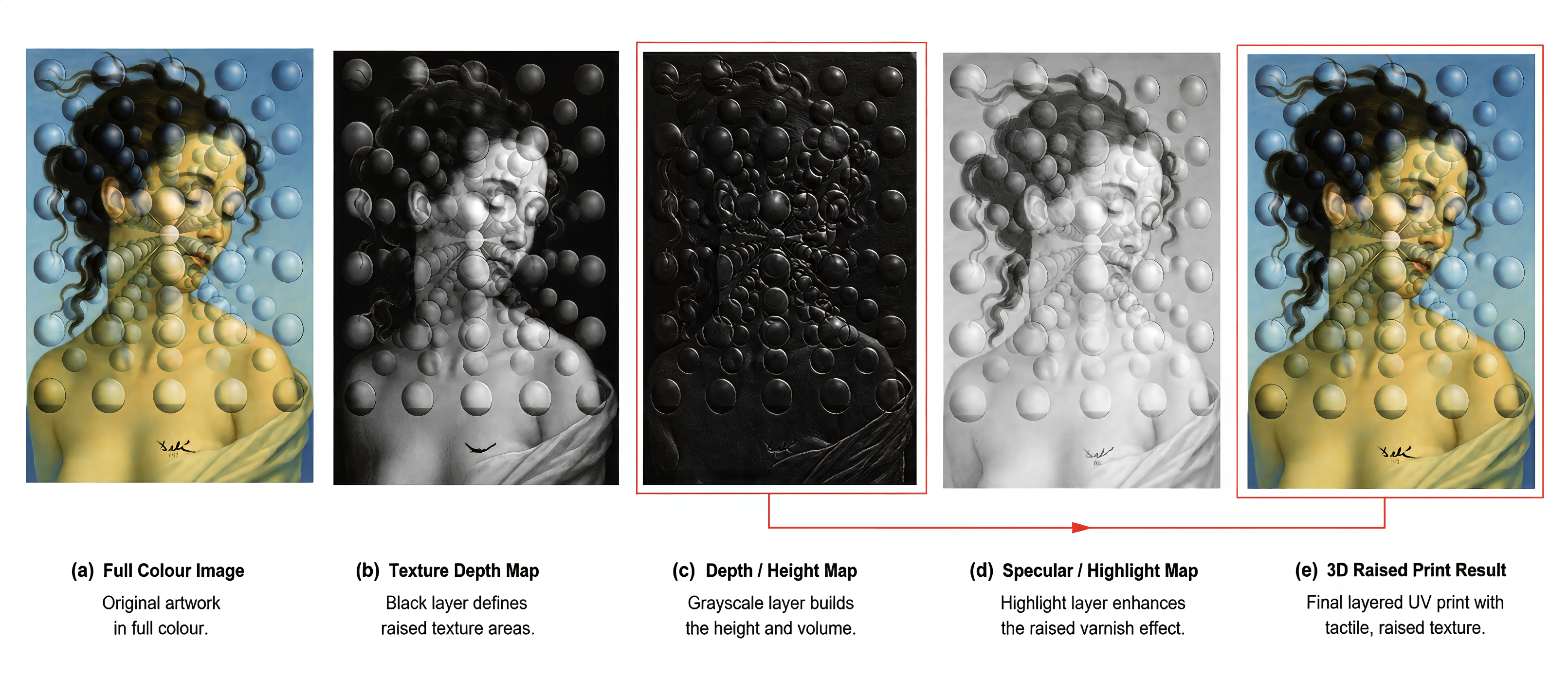
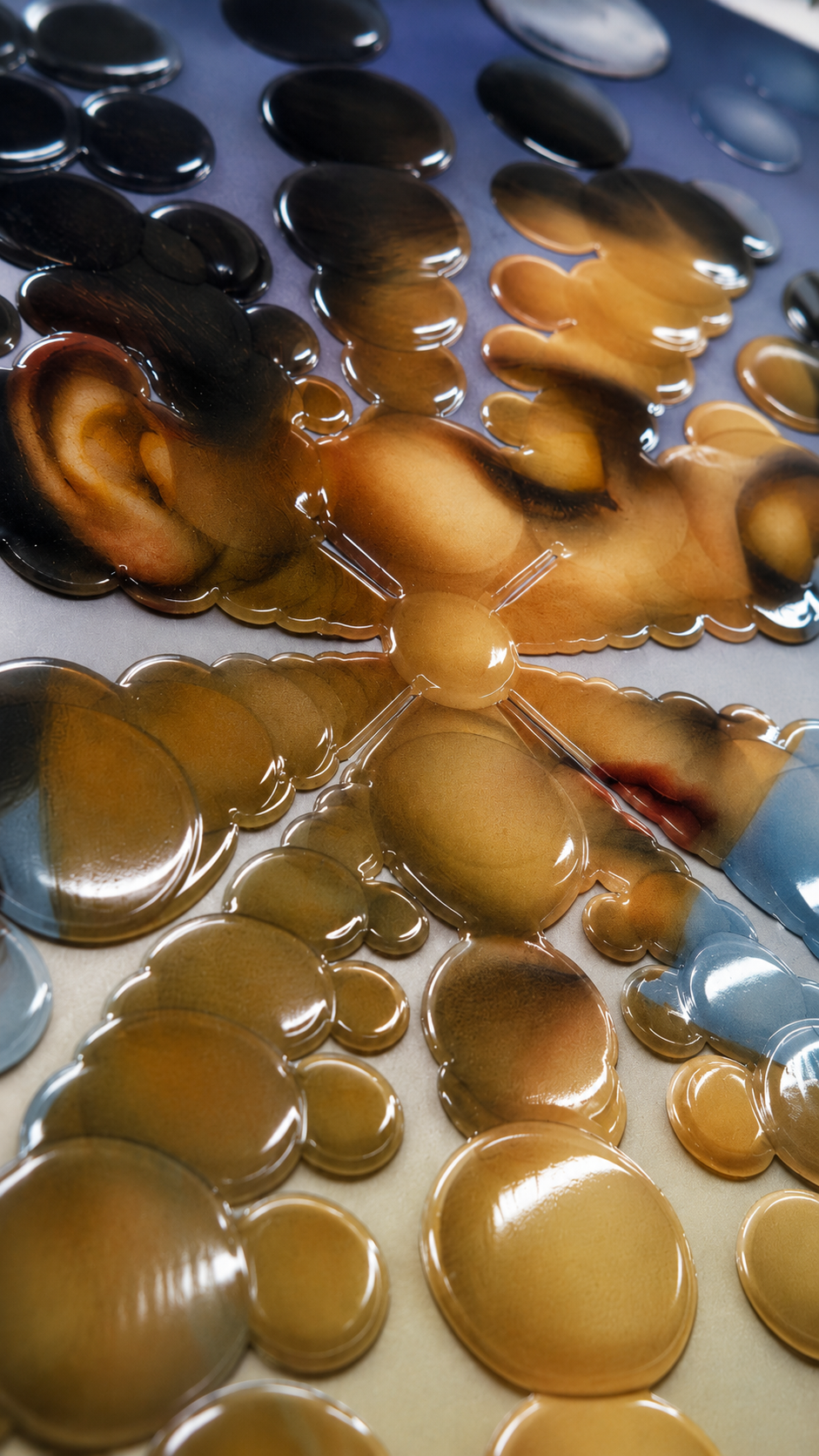
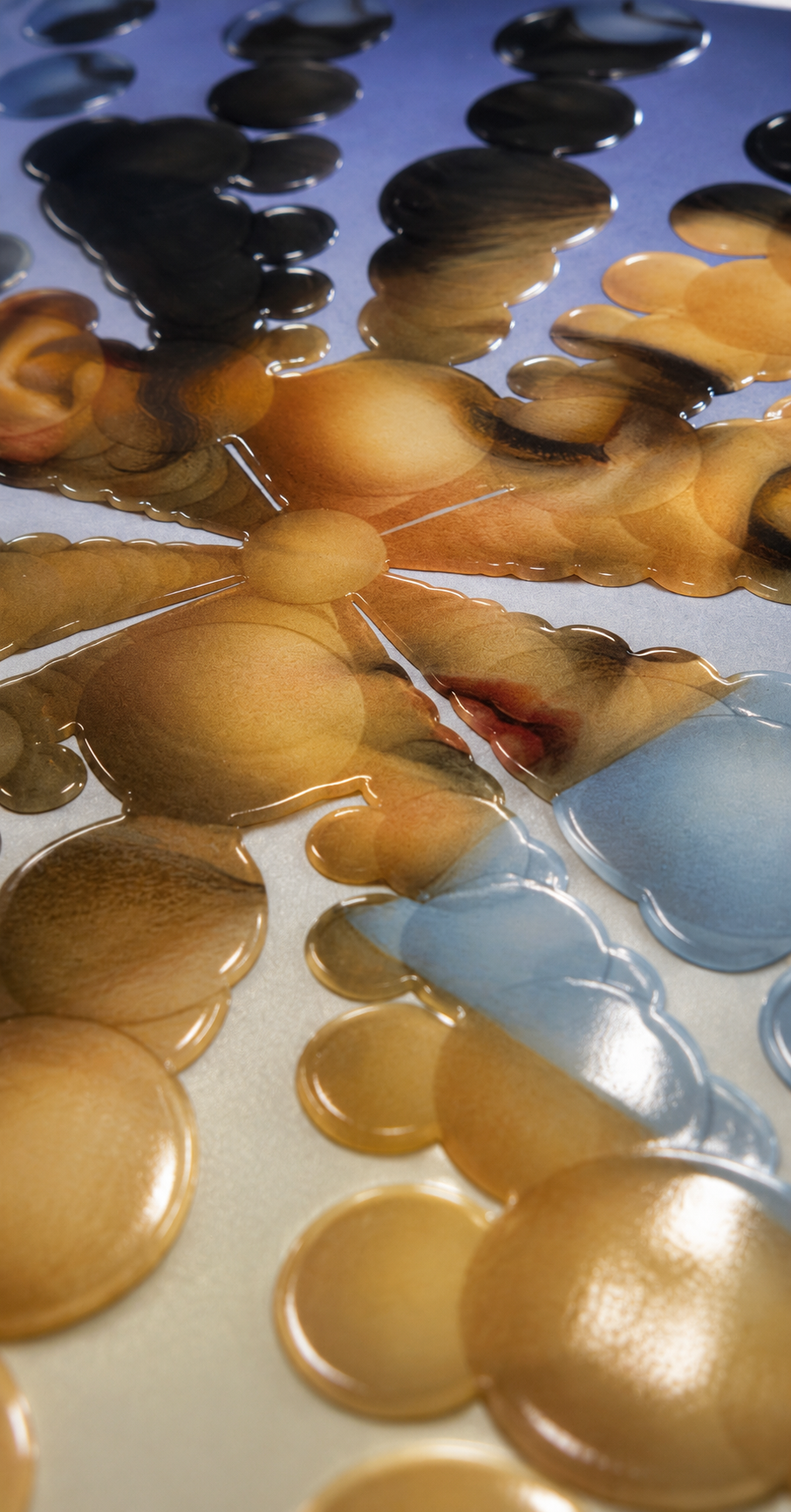
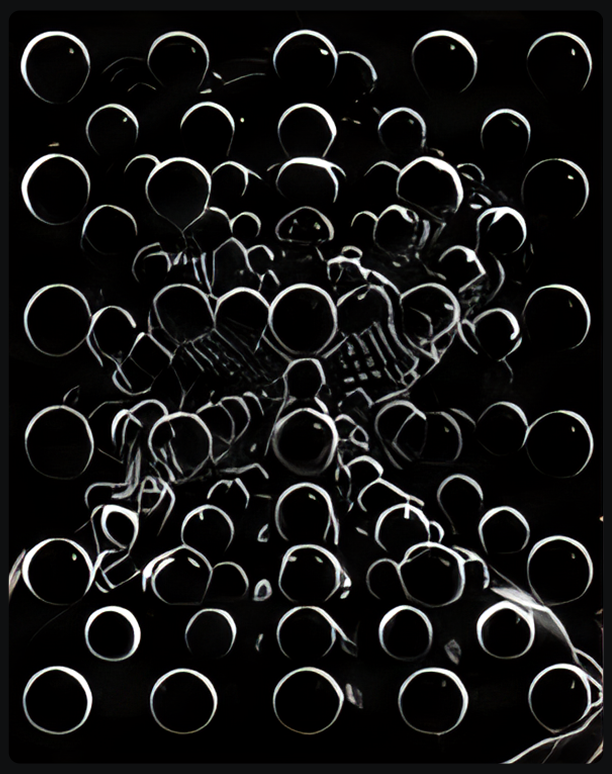
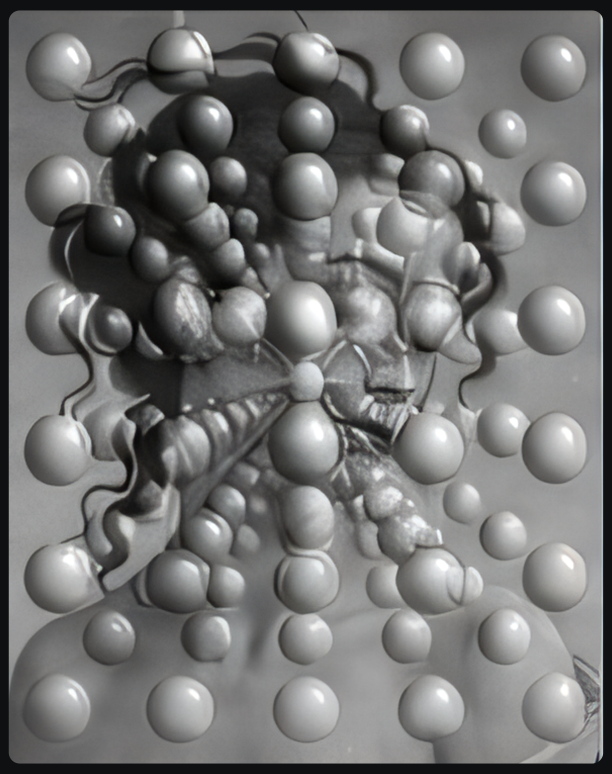
Facial structure, spheres and background elements were separated into depth zones. Instead of treating the artwork as a flat image, each visual component becomes part of a physical hierarchy.
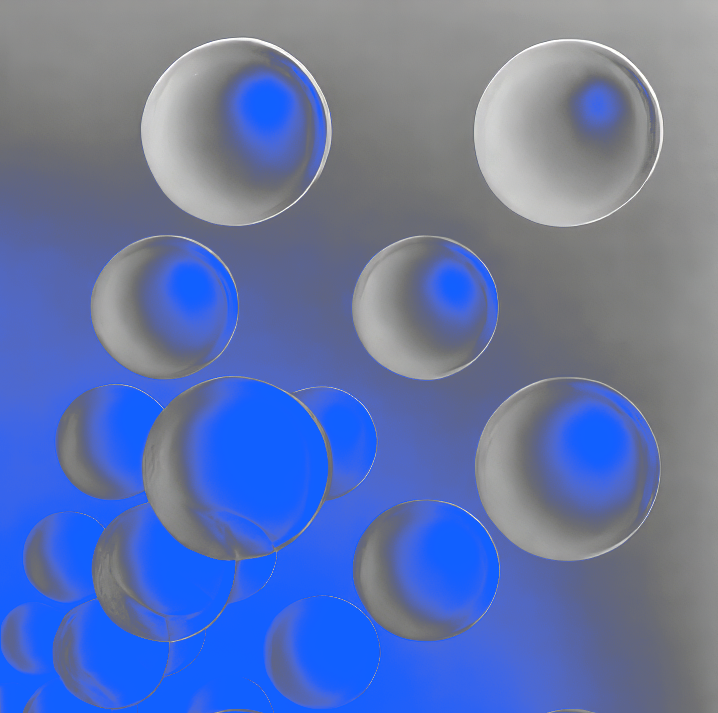
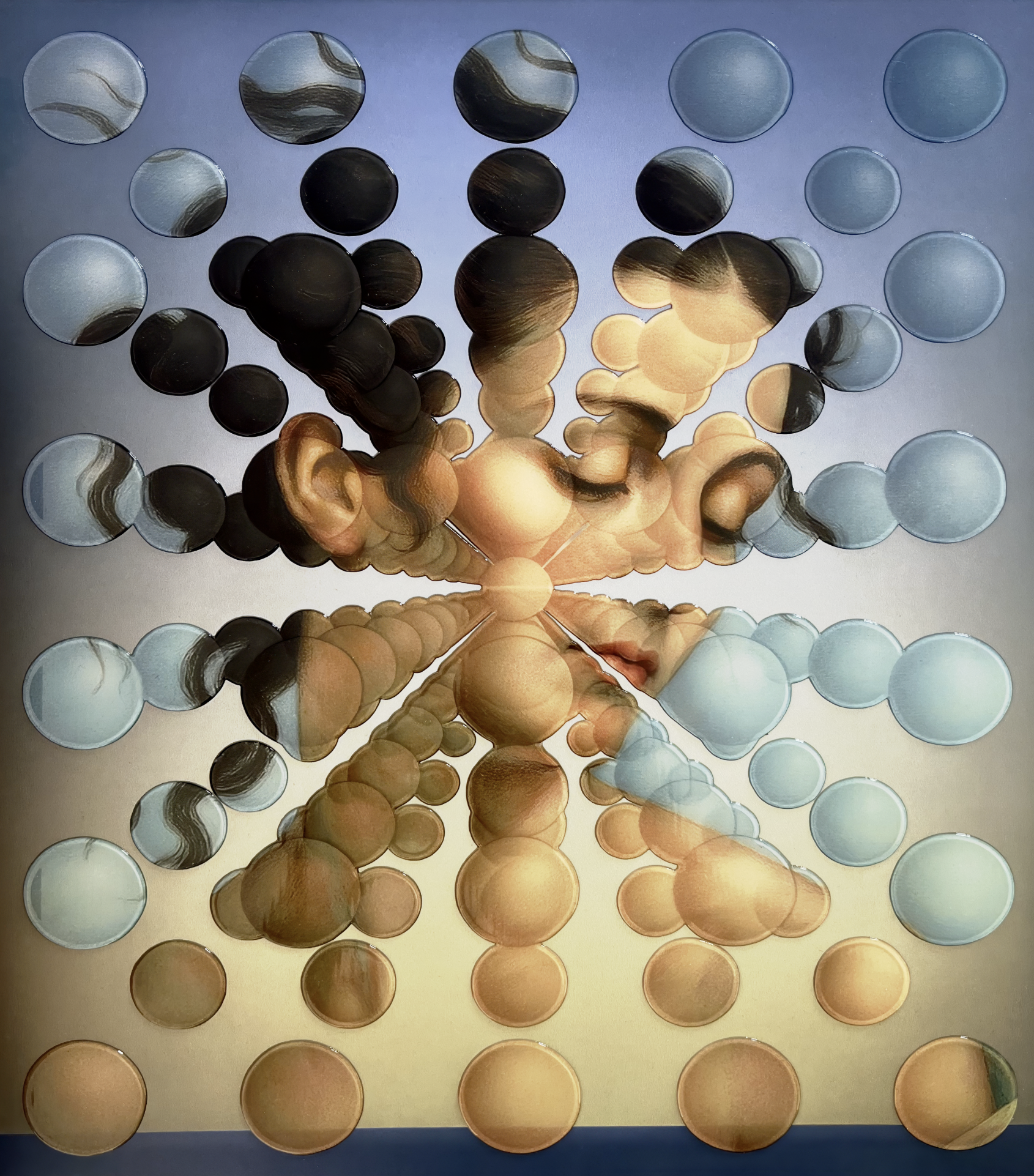
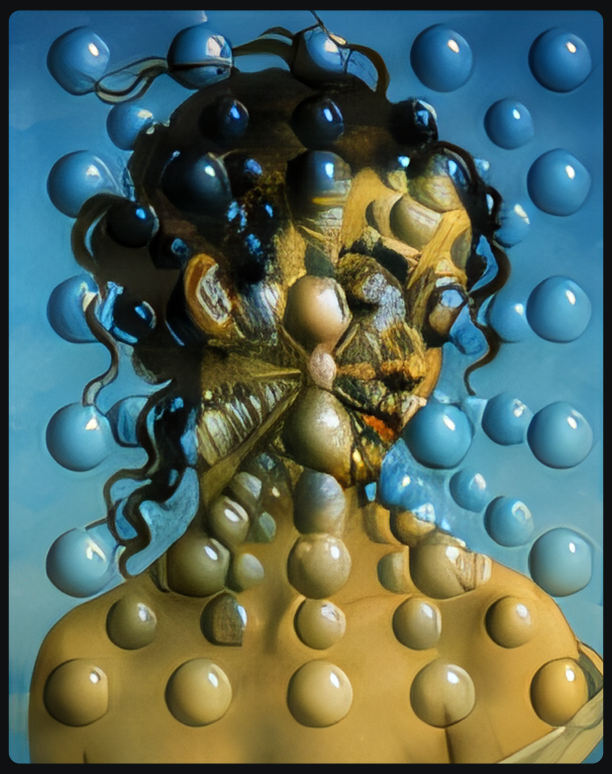
Re-engineering Salvador Dalí's Galatea of the Spheres as a multilayer tactile UV relief print.
This project explores the translation of a two-dimensional masterpiece into a physical, tactile experience, combining visual interpretation, AI-assisted reconstruction, depth mapping, UV print engineering and art direction.
The challenge wasn't simply to reproduce Galatea. It was to develop a system capable of translating colour, tonal hierarchy, spheres, facial structure and spatial relationships into a tactile surface.
The project moves through four distinct transformations. Each stage introduces a new constraint, and a new design decision.
The complete workflow combines creative direction, AI-assisted image development, depth mapping, UV layering, colour integration and final physical production.
Facial structure, spheres and background elements were separated into depth zones. Instead of treating the artwork as a flat image, each visual component becomes part of a physical hierarchy.
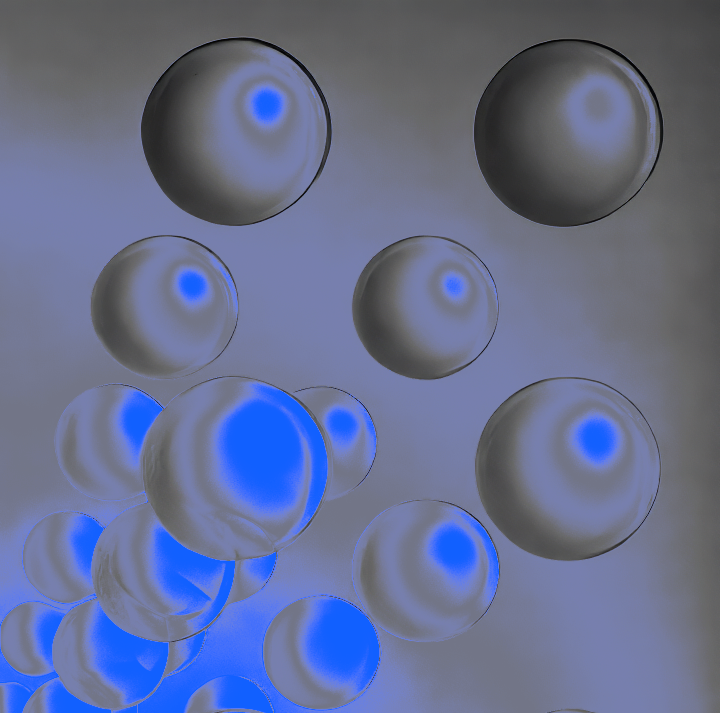
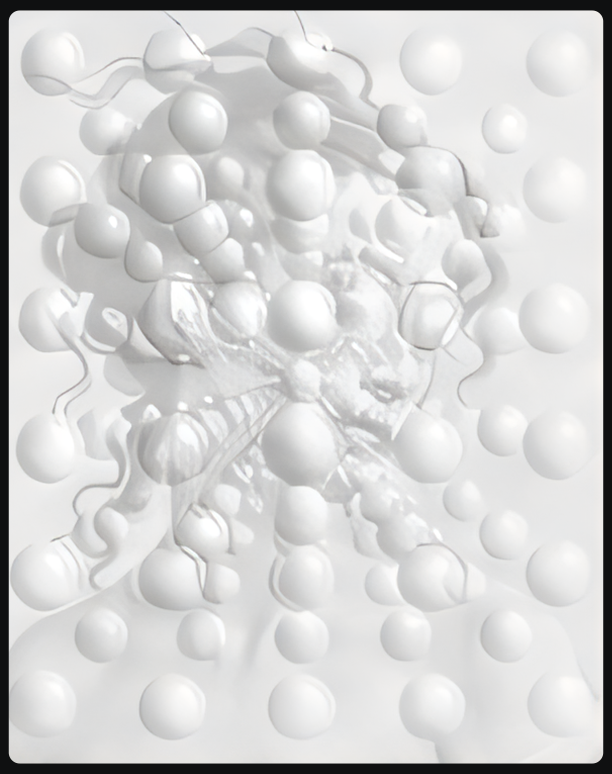
White UV ink is progressively built to create the physical relief. The challenge is balancing tactile differentiation with the visual language of the original painting.
CMYK and spot colour are integrated after the physical foundation is established. Colour is therefore not only visual, it interacts with the geometry created underneath.
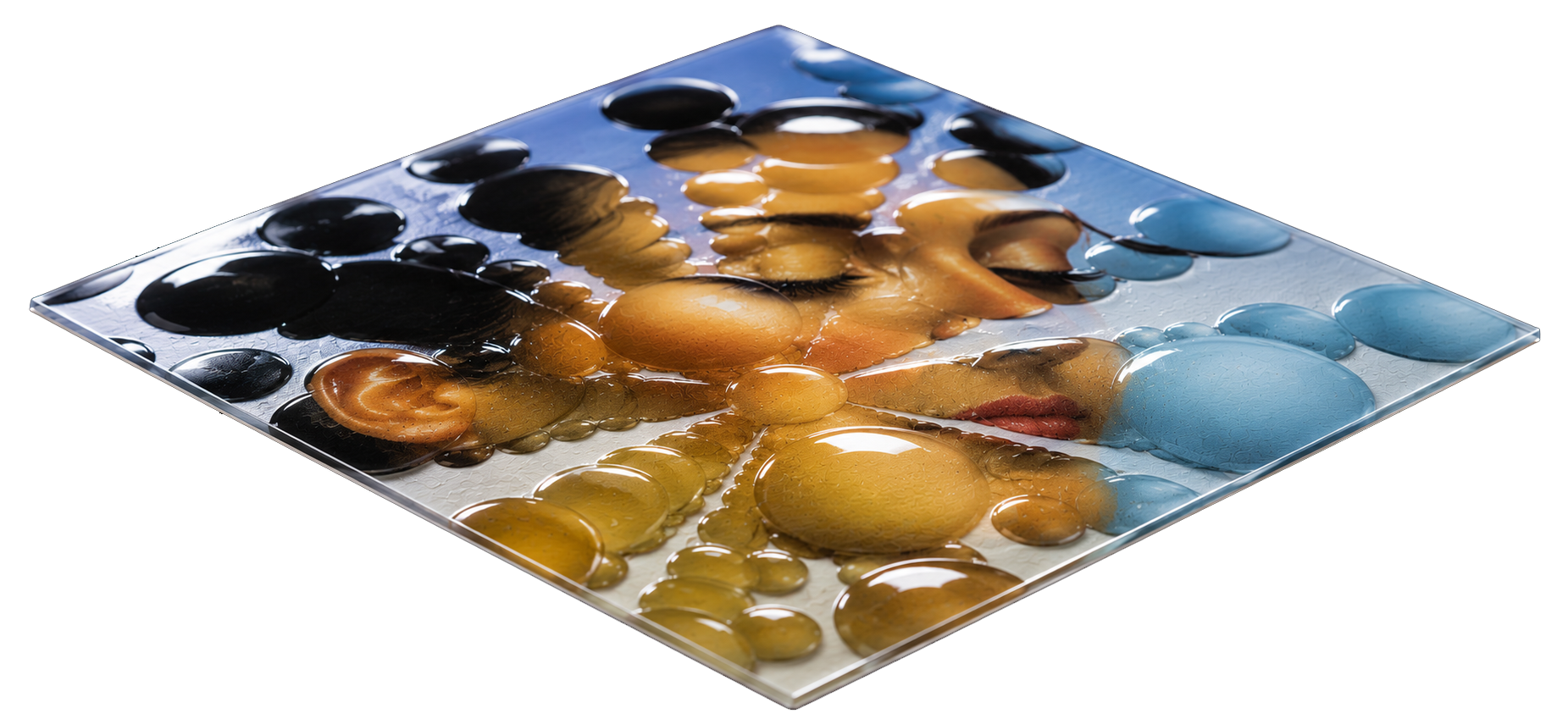
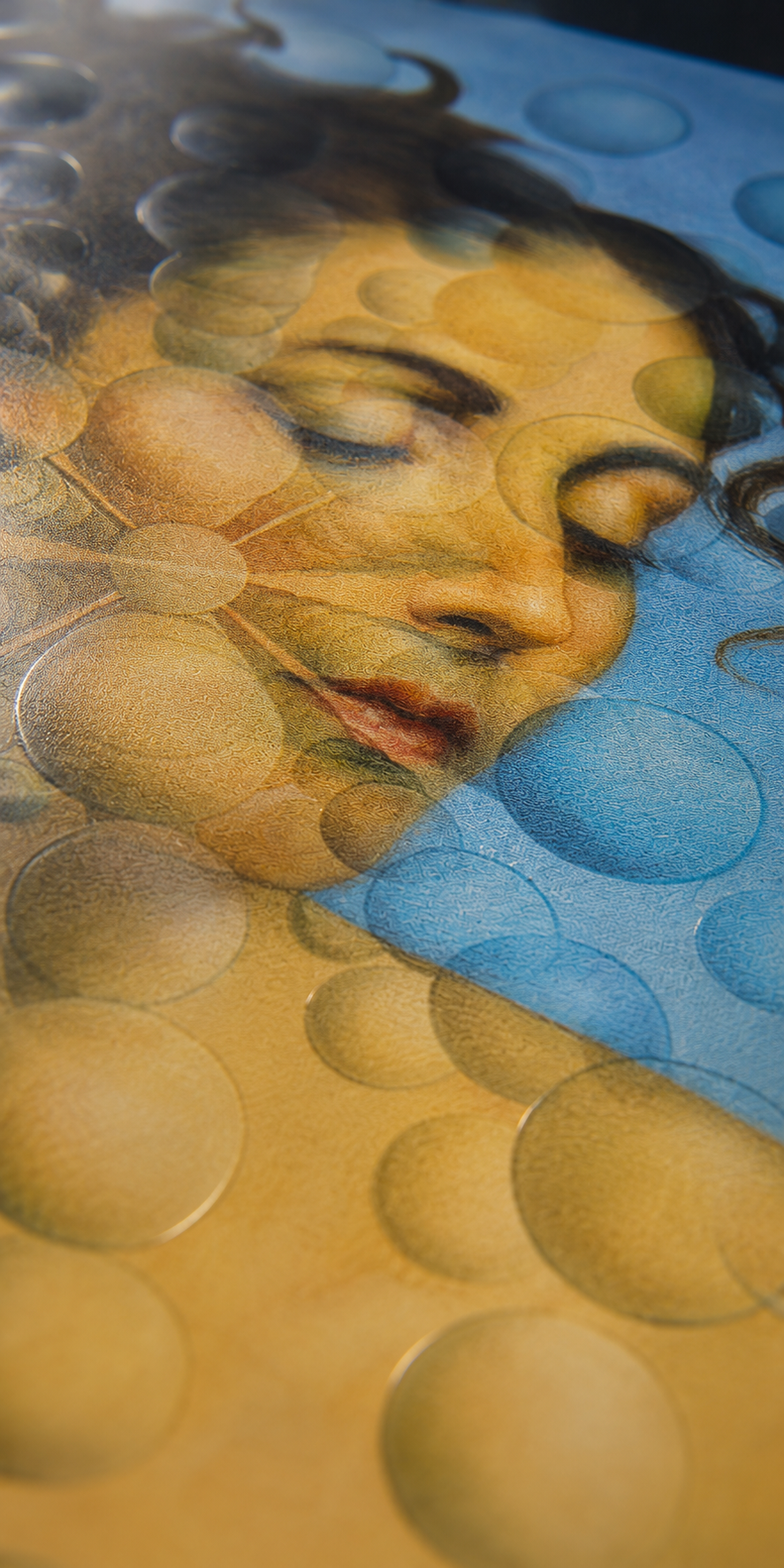
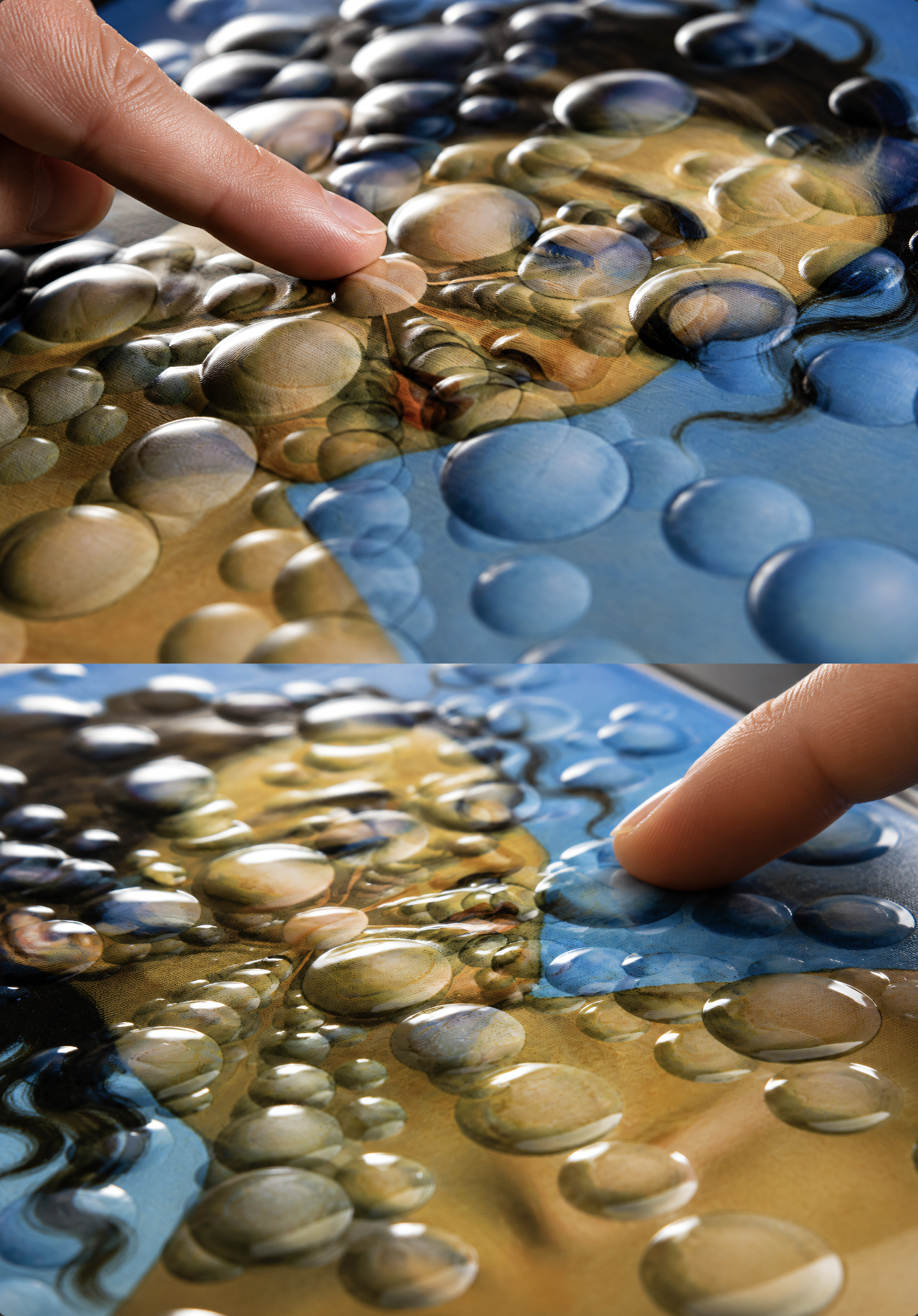
Final colour integration, clear varnish and full curing complete the transition from image reproduction to a physical, tactile artefact.
The final result is stronger when the viewer can see the decisions behind it, not only the polished outcome.
Spheres become visually present but physically indistinct.
Facial anatomy begins to dominate the original visual language.
A controlled depth relationship preserves both image and object.
These numbers aren't specifications for the sake of specifications. Each represents a production constraint that influenced the design.
The value of the project lies in connecting creative direction with technical execution and production thinking.
Defined the visual language and the relationship between the original artwork and tactile reinterpretation.
Developed and refined the source imagery and visual reconstruction.
Used AI as part of exploration and reconstruction while retaining human-directed art direction and production control.
Translated visual hierarchy into depth, layers and UV production logic.
Directed the final presentation, visual storytelling and exhibition context.
Balanced artistic intent with physical, technical and manufacturing constraints.
Rather than specialising in a single medium, I connect visual communication, art direction, photography, motion, AI and production technology to turn complex ideas into experiences.